
 By

- Spread across several cards, business credit card funding can reach roughly $25,000–$150,000. It's based on personal credit only, and you won't need bank statements or revenue.
- With 0% intro APR periods (Finance Factory quotes 18 to 21 months, product dependent), your early capital can cost close to nothing in interest.
- You'll need at least a 700 credit score. Paying on time also builds the business credit an SBA loan will ask for later.
Business credit cards as startup funding
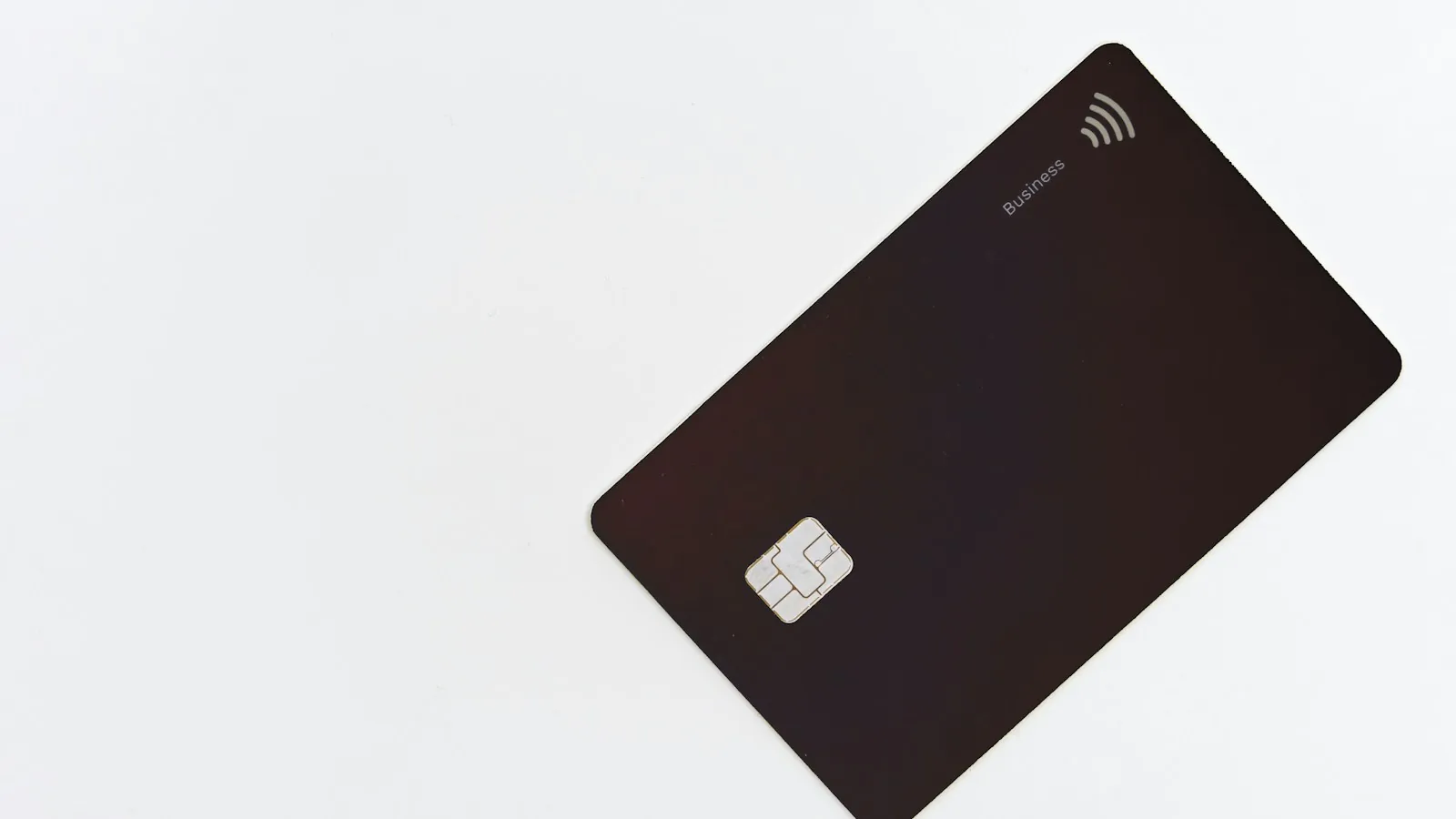
One business card isn't going to get a company off the ground. Several cards from different issuers, though, each carrying a 0% intro period, can add up to a real launch budget, and you only pay on what you spend; there's no collateral and no revenue history involved.
Finance Factory's name for this is business credit card funding, which it frames as a way to keep business debt apart from personal debt while you build business credit scores. Its specialists work out which cards to go after, the order to apply in and how to keep hard inquiries as low as possible.
*The Finance Factory homepage says funding "up to $100,000", while its unsecured funding page says $25K–$150K; intro periods appear as up to 18 or 21 months, depending on which page you read. Reviewed November 2026.
What you need to qualify
- A personal credit score of 700 or above
- Bank statements and prior revenue aren't required
- Details about the business: legal name, contact info, industry, business type, total annual income and Federal Tax ID (EIN)
- Your own legal name and contact info
- U.S. citizenship or permanent residency
Pros and cons
Pros
- About as easy as business financing applications get
- A 0% intro APR can make the money almost free
- No collateral and no revenue required
- Keeps business spending off your personal accounts
- Builds business credit you can use for later loans
- Interest only applies to what you actually use
Cons
- Steep rates when the intro period is over
- You need 700+ credit
- There's a personal guarantee, so your own credit is exposed
- Your score can dip for a while after opening several accounts
- Some vendors and expenses (rent, for example) might not take cards
Credit score of 700 or more?
Find out how much 0% intro business credit is available to you. You don't need revenue.
Using 0% cards without getting hurt
- Track each card's intro expiry date and put a reminder on your calendar 60–90 days ahead of it.
- Spend on things that bring money in, such as inventory, equipment and marketing. Personal lifestyle costs don't belong on these cards.
- Don't run utilization too high. Maxed-out cards across the board can drag down your personal score.
- Pay above the minimum. The goal is a zero balance on each card before its intro ends.
- Plan your refinance early. When you've got revenue and some history, shift what's left onto a line of credit or a term loan.
- Find out what it really costs. Ask whether there's a success fee for structuring the card funding. Finance Factory has no upfront fees and gets paid only after you're funded; our rates & costs page has more.
Business credit cards compared with other options
| 0% business cards | Unsecured loan | Retirement funding | |
|---|---|---|---|
| How the money arrives | Spend it as you go | One lump sum | Invested out of your retirement account |
| Cost | 0% intro, high afterward | Fixed rate | No interest (equity rather than debt) |
| Credit needed | 700+ | 700–800 | Not based on credit |
| Biggest risk | Rates after the intro | Set monthly payment | Your retirement savings |
From business cards to an SBA loan
Cards usually come first. You launch on 0% credit, pay on time, and that payment record builds business credit, which then helps you get approved for a business line of credit. Two years of history after that, an SBA loan with the lowest rates is within reach. Finance Factory pitches its card funding the same way, as a route toward qualifying for SBA funding later on.
Related guides

Startup Loans: the complete guide
Startup loans of $5K to $100K, no revenue or time in business required. How lenders judge a new founder and what it takes to qualify.

Startup loans before your first sale
No revenue and no track record yet? Startup funding is still on the table. The options that work, the credit score to aim for and a plan to follow.

Funding a business with a 401(k) or IRA
A Business-Directed Retirement Account moves 401(k) or IRA money into your company without the early-withdrawal penalty. How it works and what can go wrong.
FAQs on business credit card funding
What's the minimum credit score for business credit card funding?
Finance Factory sets the minimum at 700. In general, a higher score gets you bigger limits and longer intro periods.
Is revenue required for a business credit card?
No. Finance Factory says its card funding looks only at personal credit, and you don't need bank statements or prior revenue.
Do business credit cards help build business credit?
Usually, yes, as long as the issuer reports to the business credit bureaus and you pay on time. That record can make an SBA loan easier to get later.
What happens after the 0% intro period?
Whatever balance is left starts collecting interest at the card's standard rate, usually higher than a term loan's. Try to pay it off or refinance before that date.

John Moore
Business funding specialistJohn Moore writes FundingWhale's guides and works as a business funding specialist. He's helped more than 30 businesses get funded; two of them grew into multimillion-dollar companies. He still reads the paper every morning and keeps a close eye on AI and finance news. Weekends, he's usually camping with his kids.
Stuck on a funding question, or think a guide got something wrong? Email John; he answers his own mail.