
 By

- Lenders check the Three C's: Credit, Cash flow and Collateral. On most Finance Factory programs, being strong in one is enough; SBA loans insist on all three.
- Target credit scores start at 550+ for revenue-based advances and climb to 700–800 for startup and unsecured funding.
- A typical business loan asks for just 4 documents, while an SBA loan asks for 13, so collect them before you apply.
The Three C's, explained
Credit
Almost every small business application leans on your personal credit, and if the business is under two years old it leans hard. The lender will check your score, but also your payment history, how much of your available credit you're using and how many inquiries you've racked up lately. Finance Factory usually likes to see something in the 700 to 800 range; for its business loan program, 680+ is the sweet spot.
Cash flow
This one boils down to whether the business (or you) can cover the payments. Lenders want an average account balance of somewhere near $1,000–$5,000 at minimum, and they'll go through tax returns, profit and annual revenue if you have them. Revenue-based programs are simpler: they mostly care about your last three months of business bank statements.
Collateral
That's anything securing the loan, whether equipment, real estate or the equity in your home. Because Finance Factory leans toward unsecured funding, most programs treat collateral as optional. It still helps if your score is on the low side, and it's a natural fit when the loan pays for the asset itself (as with equipment financing).
Loan requirements by program
| Program | Ideal credit | Annual revenue | Time in business |
|---|---|---|---|
| Business loans | 680+ | No minimum | No minimum |
| Startup funding | 700–800 | No minimum | No minimum |
| Unsecured credit lines & cards | 700–800 | $0 | No minimum |
| SBA loans | 650+ (700+ ideal) | $250,000 | 2 years |
| Equipment financing | 600+ | $20,000+ | 2+ years |
| Revenue-based advances | 550+ | $100,000+ | 3+ months |
| Acquisition funding | 700+ | Depends on the applicant's income | N/A (you're buying a business) |
Source: Finance Factory program pages, reviewed November 2026. Finance Factory lists these as ideal targets, not hard cut-offs.
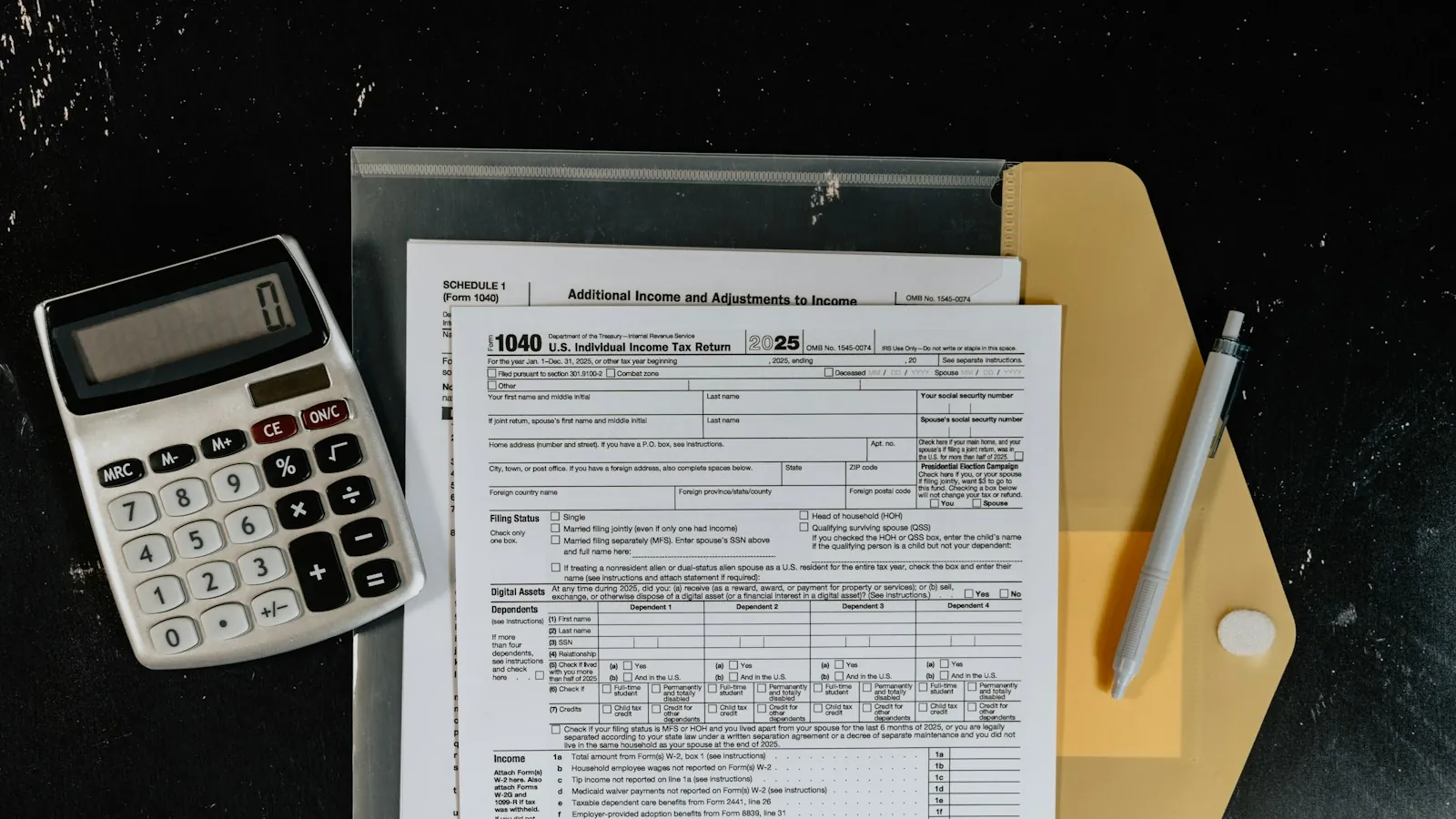
Documents you'll need
Most business and startup loans
- Credit report
- Personal tax returns
- Personal credit history
- Personal financial statement
SBA loans (everything on the list)
- Business plan
- Collateral details
- Industry code (NAICS)
- Balance sheet
- Bank statements
- Driver's license
- State / location of the business and its officers
- Business debt schedule
- Business tax returns
- Business cash flow
- Personal tax returns
- Personal credit history
- Voided business check
Revenue-based advances
- Business checking statements from the latest 3 months
- Business tax returns (sometimes)
- Driver's license
- Business checking account
Business credit cards and lines of credit
You'll be asked for the business's legal name and contact details, its industry and type, total annual income and Federal Tax ID (EIN), along with your own legal name and how to reach you. A line of credit from a bank will also want business tax returns and cash flow.
Unsure which program you'd get?
A Finance Factory specialist can tell you, and it only takes a soft credit check.
Other eligibility rules
- Residency: you have to be a U.S. citizen or permanent resident living in the United States to apply through Finance Factory.
- Industry: any industry gets considered as long as you, a partner or a co-signer has 700+ credit.
- Co-signers: permitted, and they don't have to be partners in the business.
- Down payment: not needed for most options.
- Young businesses: if the company is under two years old, or the guarantor has poor credit, expect a tougher time, above all with SBA lenders.
Falling short? Workarounds
| If you're missing… | Try this |
|---|---|
| Credit score (under 680) | Bring in a co-signer with 700+, put up collateral, or consider equipment financing and revenue-based programs |
| Revenue | Let your credit do the work: startup loans with no revenue, 0% business cards |
| Time in business | Hold off on SBA; build a history with credit lines and refinance down the road |
| Collateral | Stick to unsecured programs, which Finance Factory favors anyway |
| Cash reserves | Grow your average balance to $1,000–$5,000 and keep it there 2–3 months before you apply |
Before you apply
- Get copies of your credit reports and challenge any errors.
- Pay card balances down under 30% of their limits.
- Split business banking from personal (and get an EIN).
- Pin down the exact amount and what it's for.
- Put all the documents listed above in a single folder.
- Rather than applying everywhere, apply once through a service that shops several lenders for you.
Related guides

Small Business Loans: the complete guide
Small business loans run from $5K to $5M. See the loan types, what rates look like, the credit you need and how Finance Factory's soft-pull application works.

SBA loans: 7(a), 504 and other routes
How SBA 7(a) and 504 loans work, where rates sit right now, who qualifies, and what to use instead if you're not SBA-ready yet.

Loan rates and what you actually pay
Typical rates by loan product, how APR differs from a factor rate, the fees worth asking about, and a calculator for your monthly payment.
Loan requirements FAQs
What's the lowest credit score that gets a small business loan?
That depends on the product. Finance Factory's ideal scores are 550+ for revenue-based advances, 600+ for equipment financing, 650+ for SBA loans, 680+ for business loans and 700–800 for startup and unsecured funding.
Is a business plan required for a loan?
If it's an SBA loan, yes; the plan is on the required list. Most other business and startup loans just want your credit report, personal tax returns, credit history and a personal financial statement.
Can I qualify with no business revenue?
On several programs, you can. Finance Factory's business loan, startup and unsecured credit programs don't set a revenue minimum, so approval rests on strong personal credit.
Must a co-signer own part of the business?
No. Finance Factory will take a friend or family member as a co-signer.
Got your documents ready?
The application takes about 2 minutes, and seeing your options doesn't involve a hard credit pull.

John Moore
Business funding specialistJohn Moore writes FundingWhale's guides and works as a business funding specialist. He's helped more than 30 businesses get funded; two of them grew into multimillion-dollar companies. He still reads the paper every morning and keeps a close eye on AI and finance news. Weekends, he's usually camping with his kids.
Stuck on a funding question, or think a guide got something wrong? Email John; he answers his own mail.