
 By

- Pick the loan that fits what you're paying for. Assets you'll use for years deserve long-term loans (SBA, equipment), while temporary gaps are better handled by short-term or revolving credit.
- Low cost and speed rarely come together: SBA and secured loans are cheapest but slow and picky, and revenue-based advances fund fastest at the highest price.
- Pre-revenue startups tend to begin with credit cards and unsecured loans and move to cheaper products once they've built a record.
Types of business loans compared
| Type | Amount* | Cost | Speed | Ideal credit | Best for |
|---|---|---|---|---|---|
| Working capital / term loan | $35K–$500K | 0%*–15% | 7–10 days | 680+ | Growth, payroll, stock |
| SBA loan | $250K–$5M | 6.50%–8.75% | 7–90 days | 650+ | Property, buyouts, refinancing |
| Line of credit | $25K–$250K | 0% intro, then card rates | 7–10 days | 700–800 | Recurring cash-flow gaps |
| Equipment financing | $5K–$5M | 6%–30%+ | ~48 hours | 600+ | Vehicles, machines, technology |
| Revenue-based advance | $5K–$1M | Factor 1.14–1.50 | 2–5 days | 550+ | Quick cash for businesses with daily sales |
| Startup funding | $5K–$100K | 0%*–15% | 7–10 days | 700–800 | Launching before revenue |
| Acquisition funding | $25K–$500K | Varies | ~48 hrs approval | 700+ | Purchasing a running business |
*Figures pulled from Finance Factory's program pages in November 2026. The 0% rate only applies during intro periods on select products.
1. Working capital and term loans
You get one lump sum and pay it back in fixed installments. Working capital loans handle near-term operating costs (payroll, inventory, marketing), and longer term loans pay for expansion. At Finance Factory, the business loan program runs $35K–$500K on terms up to 30 years, with no listed minimum for revenue or time in business.
Good fit if: you've pinned down the exact amount and want the same payment every month. See our business loans page

2. SBA loans
The government backs these, which is why they carry the longest terms (10–25 years) and rates that are hard to beat. What you give up is time, because the documentation is heavy and the bar is high; ideally you've been running 2 years, bring in $250K revenue and can show solid credit, cash flow and collateral.
Good fit if: you're established, need a large sum and don't mind waiting a few weeks for the lowest price. Our SBA guide
3. Business line of credit
It's a credit limit you tap when you want, and you pay interest only on what you've drawn. Unsecured lines through Finance Factory range from $25K to $250K and frequently start with 0% intro APR for as long as 21 months.
Good fit if: your costs keep coming back or are hard to predict. Our line of credit guide
4. Equipment financing and leasing
With a loan or a lease, the equipment is the collateral, and it can cover up to 100% of new or used gear. That's why approval comes easier than with unsecured loans; money can arrive in 48 hours.
Good fit if: you're after one particular asset, say a truck, an oven, a forklift, a server or a POS system. Our equipment guide
Can't decide which type you need?
Send one short application and a Finance Factory specialist will help you narrow it to the right program.
5. Revenue-based loans and merchant cash advances
You get cash upfront and repay it from a cut of future sales or fixed daily or weekly debits. Pricing uses a factor rate, which runs 1.14–1.50 through Finance Factory. The requirements are loose: 550+ credit, $100K+ in annual revenue and at least 3 months in business, and money shows up in 2–5 business days.
Good fit if: getting money fast beats getting it cheap, and your sales come in steadily every day. Plan to refinance into cheaper debt later; our rates guide shows what a factor rate actually costs you.
6. Startup funding
New businesses usually get a mix of 0% business credit cards, unsecured personal loans and credit lines, all approved based on the founder's personal credit. Amounts run $5K–$100K and you don't need revenue.
Good fit if: you're just opening or haven't hit your first year. Our startup loans guide
7. Specialty programs
- Acquisition funding: $25K–$500K toward buying a business that's already operating. You'll need 700+ credit, but there are no upfront costs and checking options is a soft pull.
- Franchise funding: up to 25-year terms via partner banks, and less paperwork than usual.
- Real estate funding: small-balance commercial, conventional and bridge loans; stated, lite-doc and no-doc versions exist.
- Retirement funding (BDRA): put retirement savings into your business with no penalties. How it works
Narrowing it down in 4 questions
- How long has the business been open? Less than a year, and you're mostly looking at startup funding. Between 1 and 2 years opens up credit lines, equipment financing and working capital; once you pass 2 years, SBA loans join the list.
- What will you spend it on? A specific asset suggests equipment financing or an SBA 504. Ongoing costs suit a line of credit, and a one-off growth project suits a term loan.
- When do you need the money? Within days means an advance or equipment financing. Weeks gives you a term loan or credit line, and if you can wait months, go SBA.
- Where's your credit score? Above 700 you can choose almost anything. From 600 to 700, focus on equipment, SBA and secured options; under 600, a revenue-based advance or bringing in a co-signer is the realistic route.
Related guides

Business Loans: the complete guide
Business loans of $35K to $500K for payroll gaps, equipment or expansion. Terms, what lenders want to see and how to get a Finance Factory estimate.
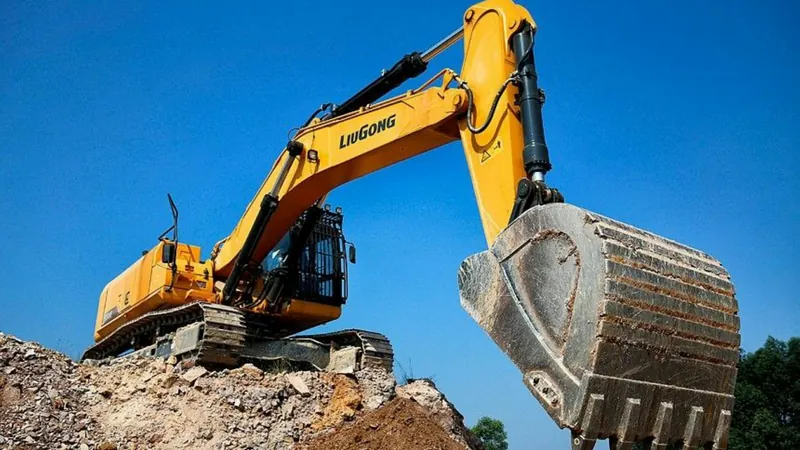
Equipment financing up to 100%
Finance up to 100% of new or used equipment. Rates, terms, loan vs. lease, what lenders ask for and how to get a quote on a soft credit pull.

How a business line of credit works
Borrow what you need, when you need it, and pay interest only on the balance. How a business line of credit works, its costs and who qualifies.
FAQs about business loan types
Which type of business loan costs the least?
For qualified businesses borrowing long-term, SBA loans usually come out cheapest. Over a short stretch, a credit line or card with 0% intro APR can beat them, as long as you clear the balance before the intro period runs out.
Which type of business funding arrives fastest?
Of the options Finance Factory lists, equipment financing (as quick as 48 hours) and revenue-based advances (2–5 business days) are the fastest.
What's the easiest business loan to get approved for?
Revenue-based advances ask the least of your credit (550+), with equipment financing next (600+). Both lean on your sales or the collateral instead of your credit score alone.
Is it possible to mix loan types?
Yes. A term loan for the big purchase plus a line of credit for day-to-day cash flow is a common pairing, and startup funding usually combines several products anyway.

John Moore
Business funding specialistJohn Moore writes FundingWhale's guides and works as a business funding specialist. He's helped more than 30 businesses get funded; two of them grew into multimillion-dollar companies. He still reads the paper every morning and keeps a close eye on AI and finance news. Weekends, he's usually camping with his kids.
Stuck on a funding question, or think a guide got something wrong? Email John; he answers his own mail.